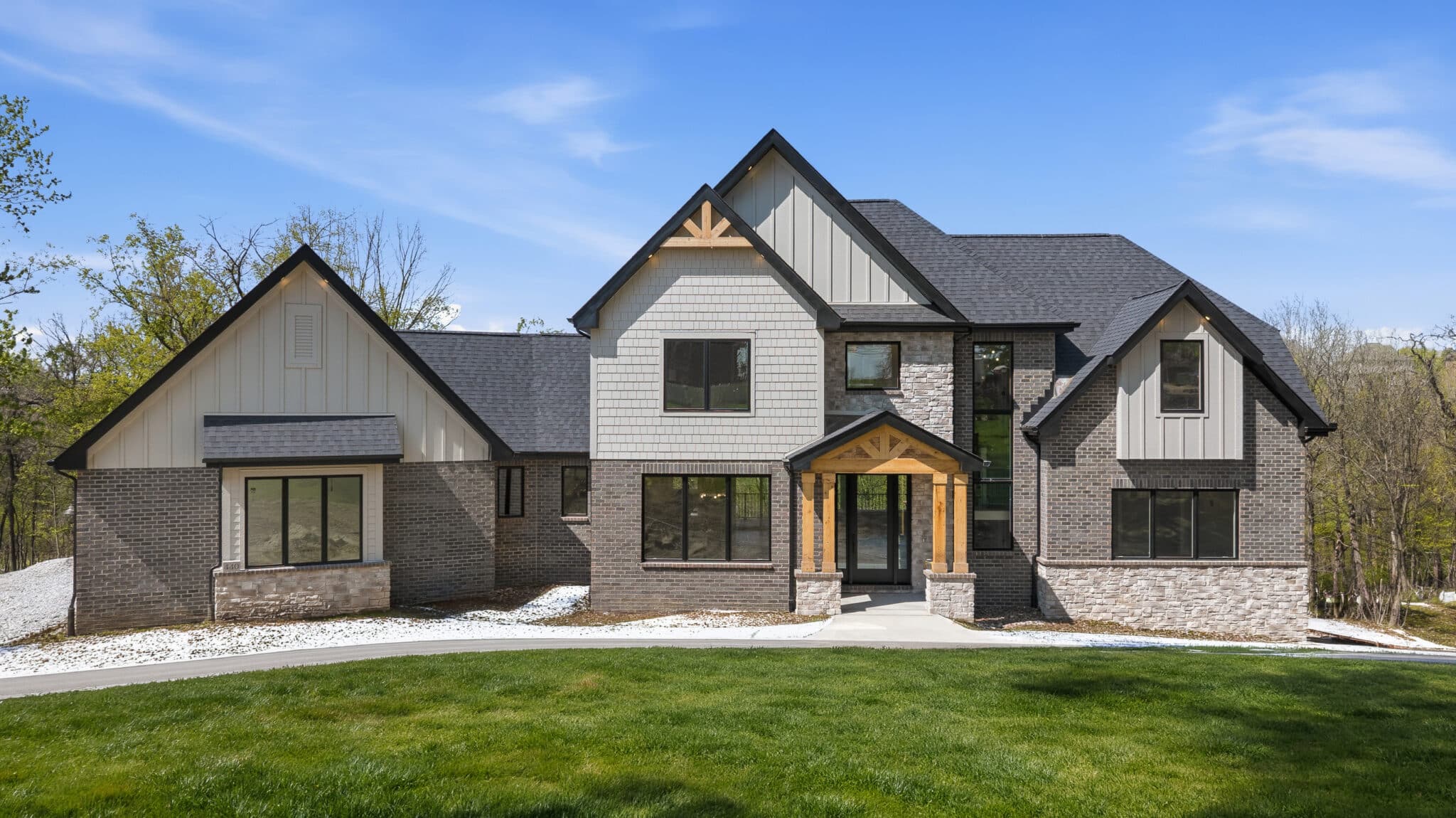
More Pittsburgh families are choosing to live together under one roof, and it’s changing how we think about custom home design. Whether you’re planning to care for aging parents, providing a landing pad for adult children, or creating space for extended family to visit regularly, multigenerational living offers financial benefits, stronger family bonds, and shared responsibilities that make life easier for everyone involved.
At Costa Homebuilders, we’ve designed numerous multigenerational homes throughout the Greater Pittsburgh area, and we’ve learned that success comes down to one principle: creating spaces where families can be together when they want to be, and apart when they need to be. Here’s how to design a multigenerational home that works beautifully for your entire family.
Why Multigenerational Living Is Growing in Pittsburgh
The trend toward multigenerational living has accelerated significantly in recent years. Rising housing costs, the desire to provide family care instead of institutional care, and cultural values that prioritize family closeness all contribute to this shift.
For our clients in Jefferson Hills, Peters Township, and Cranberry Township, multigenerational home design often makes practical sense. Instead of maintaining two separate households with duplicate expenses, families can pool resources to build a single custom luxury home with dedicated spaces for each generation. Parents can help with childcare while grandchildren provide companionship and assistance to aging grandparents. Everyone benefits from shared meals, reduced expenses, and the daily presence of family.
Essential Design Principles for Multigenerational Homes
Privacy Within Proximity
The most successful multigenerational homes balance togetherness with independence. Each generation needs their own private retreat—a space where they can decompress, entertain their own friends, and maintain their own routines without disrupting others.
This typically means designing separate living quarters with their own entrances, living areas, and sometimes even kitchenettes. These aren’t just extra bedrooms; they’re self-contained suites that provide genuine autonomy while still being part of the main home.
Flexible Spaces That Adapt Over Time
Your family’s needs will change. Today’s nursery becomes tomorrow’s home office. The in-law suite you’re building for aging parents might eventually house adult children returning home or provide private guest quarters for extended visits.
Design with this flexibility in mind. Include adequate electrical and plumbing infrastructure that allows rooms to be repurposed without major renovation. Consider how spaces can be opened up or closed off as family dynamics shift over the years.
Accessibility for All Ages
Even if you’re not currently planning for mobility challenges, incorporating universal design principles ensures your home remains functional as family members age. This forward-thinking approach adds minimal cost during initial construction but provides enormous value over time.
Key Features for Successful Multigenerational Homes
In-Law Suites and Private Living Quarters
The in-law suite is the cornerstone of most multigenerational home designs. The most effective layouts include a private bedroom, full bathroom, sitting area or small living room, and sometimes a kitchenette or wet bar area.
Location matters significantly. First-floor suites work best for aging parents or family members with mobility concerns. Finished basement suites provide excellent separation for adult children who value independence and may keep different schedules. We’ve also designed upper-level suites for families who prefer that arrangement.
For our clients in Fox Chapel and the North Hills, we often design in-law suites with separate entrances and covered parking areas, providing true independence while maintaining connection to the main house.
Multiple Kitchen Solutions
Shared meal preparation can be wonderful or stressful depending on family dynamics and schedules. Many multigenerational homes benefit from having more than one cooking space.
The main kitchen serves as the hub for family gatherings and shared meals, while a secondary kitchenette in the in-law suite allows for independence in meal timing and dietary preferences. These don’t need to be full-scale kitchens—a small refrigerator, microwave, sink, and a two-burner cooktop often suffice.
Shared Spaces That Bring Families Together
While privacy is essential, your multigenerational home also needs generous shared spaces where the family naturally gathers. A large open-concept kitchen and great room serves as the heart of the home, comfortably accommodating multiple generations for meals, holidays, and everyday interaction.
Consider outdoor living spaces like covered patios that provide additional gathering areas, especially during Pittsburgh’s beautiful spring and fall months. These spaces relieve pressure on interior rooms and give family members options for how they want to spend time together.
Strategic Bathroom Placement
Bathroom planning becomes more complex in multigenerational homes. Beyond the ensuite bathrooms for private quarters, you’ll need strategically placed powder rooms and full bathrooms that serve shared spaces without requiring guests or family members to enter private areas.
Plan for at least one accessible bathroom on the main floor with a curbless shower, adequate turning radius for potential wheelchair use, and grab bar blocking in walls (even if you don’t install the bars immediately).

Essential Features for Multigenerational Living Success
Top Design Elements to Include:
- Separate Entrances: Provide dedicated entry points for in-law suites or private quarters, allowing family members to come and go independently without disturbing others, which is especially important for adult children with varying work schedules.
- Main Floor Primary Suite: Design the main primary bedroom suite on the first floor to accommodate aging in place, eliminating stairs from daily routines and providing long-term flexibility as mobility needs change.
- Soundproofing Between Living Areas: Install sound-dampening insulation in walls and floors between separate living quarters to minimize noise transfer and maintain privacy, particularly important when different generations keep different schedules.
- Dual Laundry Areas: Consider adding a secondary laundry closet in the in-law suite or basement living area to reduce scheduling conflicts and provide true independence in household management.
- Wide Doorways and Hallways: Design all doorways at 36 inches minimum and hallways at 42-48 inches wide to accommodate wheelchairs, walkers, or medical equipment without requiring future renovation.
- Home Elevator or Pre-Plumbing: Install an elevator shaft during construction or at minimum include pre-plumbing and structural support for future elevator installation, providing accessibility between floors as family members age.
- Flexible Office/Bedroom Space: Create rooms that can serve multiple purposes with proper electrical outlets, natural lighting, and closet space, allowing spaces to transition from home office to nursery to guest room as family needs evolve.
Layout Configurations That Work
The Connected Suite Approach
This popular design places the in-law suite on the main floor, connected to the primary home through a shared mudroom, hallway, or common space. It provides easy access while maintaining some separation. The suite includes a private bedroom, bathroom, and small sitting area, with optional kitchenette.
This works exceptionally well for families who want frequent interaction but still value having distinct living spaces. It’s particularly popular among our clients in the South Hills and North Hills areas.
The Separate Wing Design
For larger properties, designing the home with distinct wings provides maximum privacy. The main family living areas occupy one section of the home, while the in-law quarters are housed in a separate wing, connected by a breezeway, mudroom, or central great room.
This configuration works beautifully on generous lots in areas like Upper St. Clair and Peters Township, where property size allows for more expansive home designs.
The Finished Basement Suite
When main floor space is limited, a thoughtfully designed basement suite provides excellent multigenerational living space. The key is treating this as a legitimate living space, not an afterthought.
Include full-size windows for natural light, high ceilings (minimum nine feet), quality finishes matching the main home, and a separate entrance if possible. For adult children who value independence, this arrangement often provides the perfect balance of privacy and proximity.

Important Planning Considerations
Critical Factors to Address Before Building:
- Local Zoning and Regulations: Many Pittsburgh-area municipalities have specific requirements for accessory dwelling units or in-law suites, including parking requirements, separate utility meters, and lot size minimums that may impact your design options.
- Resale Value and Market Appeal: Well-designed multigenerational homes appeal to a growing market segment and can enhance property value, but avoid designs so specific that they limit future buyer interest. Maintain flexibility for spaces to function as traditional bedrooms or home offices if needed.
- Heating and Cooling Zones: Install separate HVAC zones for different living quarters, allowing each generation to control their own comfort levels and manage energy costs independently while avoiding conflicts over temperature preferences.
- Privacy from Neighbors: Consider sight lines and positioning of windows in in-law suites or separate quarters to ensure privacy not just within the home but from neighboring properties, particularly important for ground-floor living spaces.
- Long-Term Financial Planning: Discuss how expenses will be shared, who owns the property, and what happens if circumstances change. Clear agreements upfront prevent misunderstandings and help ensure your multigenerational living arrangement remains harmonious.
The Costa Approach to Multigenerational Home Design
Through The New Life Process®, we work closely with your entire family to understand everyone’s needs, priorities, and concerns. We collaborate with our dedicated architect to create floor plans that respect each generation’s independence while fostering the family connection you’re seeking.
For a family in Mt. Lebanon caring for aging parents, we might design a luxurious main-floor suite with accessible bathroom features and a private patio. For young parents in Wexford planning for adult children to return home periodically, we might create a flexible basement apartment with a separate entrance and full amenities.
What remains consistent is our commitment to designing homes where every family member feels they have their own space, where daily routines can unfold without conflict, and where being together feels like a choice rather than an obligation.
Create a Home That Works for Your Entire Family
Multigenerational living offers tremendous benefits when the home is designed thoughtfully. The right layout reduces stress, enhances independence, and creates opportunities for meaningful connection across generations. Your custom home should support the lifestyle you envision while adapting to your family’s changing needs over time.
Whether you’re in the early planning stages of your custom luxury home or exploring how to accommodate extended family in your future home, we’re here to help you design a space that truly works for everyone.
Ready to start designing your multigenerational home? Call us at 412-384-8170 to schedule your consultation, or visit our gallery to see examples of custom homes we’ve created for families throughout the Greater Pittsburgh area.