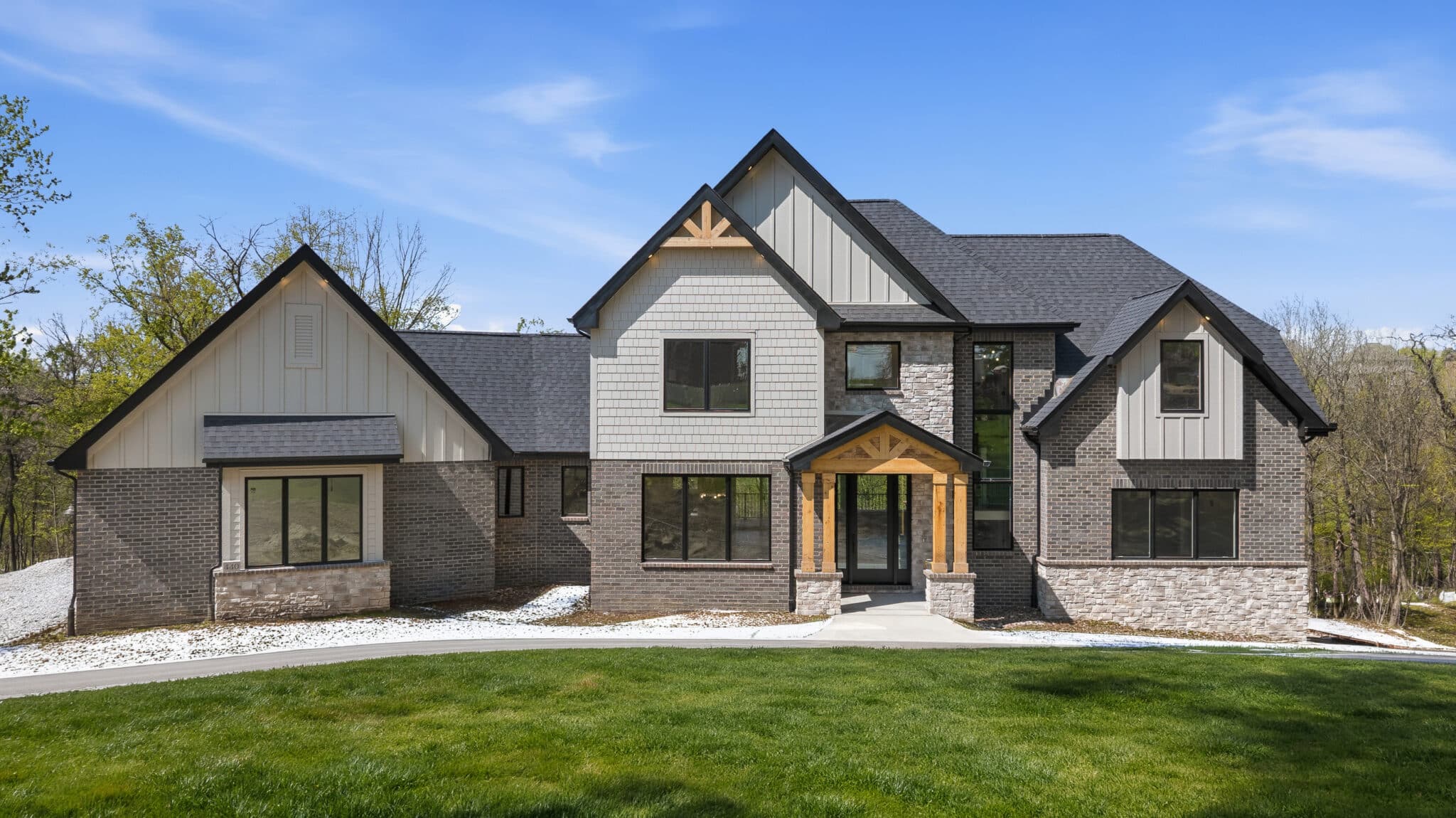
You’ve found the perfect piece of land—maybe it’s been in your family for generations, perhaps you discovered a stunning lot in your ideal Pittsburgh neighborhood, or you’ve inherited property that’s ready for your dream home. Now comes the exciting challenge: transforming that raw land into the custom luxury home you’ve been envisioning. Building on your own lot offers unparalleled freedom in location and design, but it also requires careful planning, the right builder, and understanding of the unique considerations that come with lot development.
At Costa Homebuilders, building on client-owned lots is one of our core specialties. We’ve helped countless families throughout the Greater Pittsburgh area navigate the complexities of site development and custom home construction. Here’s everything you need to know about building on your own lot in Pittsburgh.
Why Build on Your Own Lot?
Building on your own lot provides advantages that purchasing a builder’s existing lot simply cannot match. You have complete control over your location—choosing the specific neighborhood, school district, and proximity to work, family, or amenities that matter most to you.
You’re not limited by a builder’s available inventory or competing with other buyers for desirable lots. If you’ve found property in sought-after areas like Sewickley, Fox Chapel, or Peters Township, you can build exactly where you want to live without compromise.
Perhaps most importantly, building on your own lot often provides better long-term value. You’re not paying the builder’s markup on land, and you can select a lot that offers features like mature trees, water views, privacy, or acreage that would command premium prices in a builder’s inventory.
Understanding Your Lot's Development Potential
Site Evaluation: What You Need to Know
Before you finalize any land purchase or begin planning your home design, you need a comprehensive understanding of what your lot can support. Not all land is equally suitable for construction, and discovering limitations after you’ve committed to a property can be costly and disappointing.
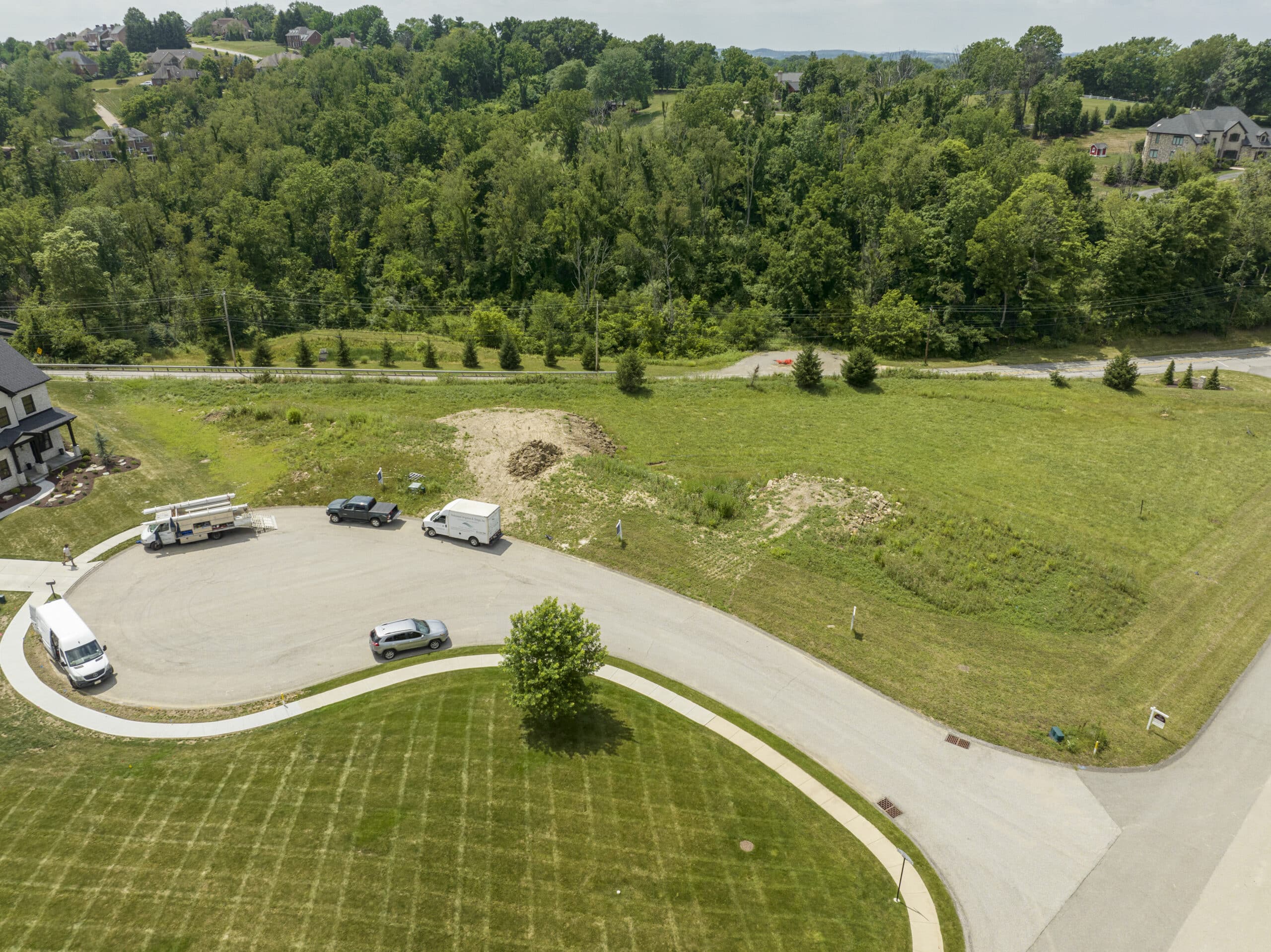
Topography and grading requirements significantly impact construction costs. Steep slopes may require extensive excavation, retaining walls, or specialized foundation systems. Conversely, very flat lots might have drainage challenges that need engineered solutions. We evaluate how your lot’s natural contours will affect foundation design, driveway placement, and overall construction access.
Soil composition and stability determine what type of foundation your home requires and whether the land can support your structure safely. Some Pittsburgh-area soils are rocky and require blasting, which adds costs. Other soils may have poor drainage or low bearing capacity, necessitating special engineering solutions.
Percolation testing (commonly called a “perc test”) is essential if your lot will use a septic system rather than connecting to municipal sewer. This test determines whether your soil can adequately absorb wastewater. Failed perk tests have derailed many building projects, so this evaluation should happen early in your planning process.
Utilities and Infrastructure
Understanding utility availability and connection costs is crucial for budgeting your build-on-your-lot project. These costs can vary dramatically based on your lot’s location and existing infrastructure.
Municipal water and sewer provide the most straightforward solutions when available. However, connection costs depend on distance from existing lines. If main lines run along your property, connection costs might range from $5000+. If lines are a quarter-mile away, you could face a significant cost to extend service to your lot.
Well and septic systems become necessary when municipal services aren’t available, particularly common in areas like Butler County, the North Hills outskirts, or rural South Hills locations. Well drilling costs typically range depending on depth, septic systems sometimes run $15,000 to $30,000+ depending on soil conditions and system complexity.
Electric, gas, and telecommunications also require evaluation. Some lots have utilities at the street requiring only connection. Others need line extensions that can cost thousands of dollars per hundred feet. If natural gas isn’t available, you’ll need propane tanks and delivery access.
Stormwater management has become increasingly important in the Pittsburgh-area involving land development. Many municipalities now require engineered stormwater systems, retention ponds, or rain gardens to manage runoff from your property. These systems add both cost and planning complexity to your project.
Zoning, Permits, and Regulatory Considerations
Understanding Local Regulations
Each Pittsburgh-area municipality has its own zoning ordinances, setback requirements, and building codes that will affect what you can build on your lot and where you can build it.
Setback requirements dictate how far your home must be from property lines, streets, and sometimes from natural features like streams or steep slopes. These requirements directly impact your buildable area and home placement. Municipal setbacks can vary; some require 30-foot front setbacks, others 50 feet or more. Side and rear setbacks similarly vary.
Lot coverage limitations restrict what percentage of your lot can be covered by structures and impervious surfaces. This affects not just your home’s footprint but also garages, driveways, patios, and other hardscaping.
Height restrictions may limit how tall your home can be, which impacts design possibilities especially for homes with bonus rooms, multiple stories, or dramatic rooflines.
Homeowners association rules apply if your lot is in a planned community. These can be more restrictive than municipal codes, governing everything from architectural styles to exterior colors to landscaping requirements.
The Permitting Process
Securing the necessary permits for your build-on-your-lot project involves multiple stages and typically takes several months. Understanding this timeline is essential for realistic project planning.
Building permits require detailed construction drawings, engineering stamps, and often multiple rounds of review by municipal officials. The process typically takes 4 to 8 weeks in most Pittsburgh-area municipalities, though more complex projects or jurisdictions with limited staff can take longer.
Septic permits, if needed, involve soil testing, system design, and health department approval—a process that can take several months and must often be completed before building permits are issued.
Driveway permits, especially for access onto state or county roads, require separate applications and approvals that should happen early in your planning process.
Critical Steps in the Build-On-Your-Lot Process
Essential Planning Steps for Building on Your Own Lot:
- Conduct Due Diligence Before Purchase: If you haven’t yet purchased your lot, make your offer contingent on successful perc. test, utility availability confirmation, and verification that your desired home design meets all setback and zoning requirements to avoid costly surprises.
- Survey and Mark Property Lines: Hire a licensed surveyor to establish exact property boundaries and mark them clearly before design work begins, ensuring your home placement complies with setbacks and preventing disputes with neighbors.
- Obtain Geotechnical Soil Testing: Commission soil borings and analysis to determine bearing capacity, depth to bedrock, and foundation requirements. This information is critical for accurate cost estimating and avoiding foundation problems later.
- Confirm Utility Connection Costs: Get written quotes from utility companies for all necessary connections including water, sewer, electric, and gas. These costs can dramatically affect your budget and should be confirmed early in planning.
- Research Financing Options: Understand that construction loans for building on your own lot differ from traditional mortgages. Work with lenders experienced in construction financing and factor in the land value when determining your borrowing capacity.
- Plan for Site Access During Construction: Ensure your lot has adequate access for heavy equipment, material deliveries, and construction vehicles. Determine if temporary roads or turnarounds are needed and factor these custom home building costs into your budget.
- Budget for Site Development Costs: Include expenses beyond the home itself such as driveway installation, landscaping, erosion control, well/septic systems, utility connections, tree removal, and potentially retaining walls or extensive grading work.
Cost Considerations Specific to Lot Development
Building on your own lot involves costs beyond typical home construction that you must account for in your budget. Understanding these expenses upfront prevents financial surprises during your project.
Site preparation costs vary dramatically based on your lot’s characteristics. Clearing and grubbing (removing trees and vegetation) might run $3,000 to $15,000+ depending on density. Rough grading to create level building pads can cost $5,000 to $25,000+. If your lot requires significant excavation or fill, costs escalate quickly.
Foundation considerations may be more complex on your own lot compared to builder lots that have been pre-selected for ease of construction. Rocky soil requiring blasting can add a significant cost. Poor soil requiring deep foundations or special engineering increases costs substantially as well.
Driveway installation is often longer and more complex when building on raw land. Your builder can supply you with a cost per square foot for paved driveways based on asphalt pricing and labor at the time of your build. That budget can be more if your driveway is long or requires significant grading.
Utility connection costs we’ve discussed, but they deserve emphasis because they’re often underestimated. Always get written quotes before finalizing your budget.
Erosion and sediment control is required during construction and can cost $3,000 to $8,000+ depending on your lot’s slope and size and municipal requirements.
Choosing the Right Builder for Your Lot
Not all custom home builders in Pittsburgh, PA, work on client-owned lots. Some builders only work in their own communities or on lots they control. When building on your own lot in Pittsburgh, you need a builder with specific expertise and flexibility.
What to Look for in a Build-On-Your-Lot Builder
Experience with site development is essential. Your builder should be comfortable evaluating lots, coordinating with engineers and surveyors, managing utility connections, and handling the complexities that come with raw land development. At Costa Homebuilders, we manage all aspects of site development in-house, eliminating the need for you to coordinate multiple subcontractors. Organizing site preparation and securing subcontractors to complete the work in a timely manner can be a daunting task, especially when the builder requires the client to manage these responsibilities.
Transparent cost estimating matters even more when building on your own lot because variables multiply. Your builder should provide detailed estimates that account for site-specific conditions rather than generic per-square-foot pricing.
Strong relationships with local officials smooth the permitting process. Builders who regularly work in your municipality understand local requirements and have established relationships with building departments and inspectors.
Flexibility in design is crucial because your home design must work with your lot’s specific characteristics. Cookie-cutter floor plans rarely optimize unique properties. Your builder should work collaboratively with architects to create designs that capitalize on your lot’s best features while managing its challenges.
Key Questions to Ask Before Building on Your Lot
Critical Considerations Before Starting Your Project:
- What is the total site development budget? Request itemized estimates for all site work including clearing, grading, utility connections, driveway, well/septic if needed, and erosion control. Ensure nothing is overlooked in initial budgeting.
- What is the realistic project timeline? Building on raw land takes longer than building on prepared lots. Factor in time for permitting, utility installations, site work, and weather delays that might affect site accessibility.
- Who manages utility coordination? Clarify whether your builder handles all utility company coordination or if you’ll need to manage some connections directly. Full-service builders streamline this process significantly.
- What happens if we encounter unexpected site conditions? Understand how your contract addresses surprises like rock, poor soil, or groundwater issues discovered during construction. Clear change order processes protect both parties.
- Does the builder carry adequate insurance? Verify your builder maintains comprehensive general liability and workers’ compensation insurance. Building on raw land can present additional risks that require proper coverage.
- What experience does the builder have in this municipality? Builders familiar with your township or borough’s specific requirements, inspectors, and processes will navigate permitting and approvals much more efficiently.
The Costa Approach to Building on Your Lot
Through The New Life Process®, we guide you through every phase of building on your own lot—from initial site evaluation through final landscaping. We begin with a thorough lot assessment, evaluating topography, utilities, and regulatory requirements before you finalize any purchase.
We coordinate all aspects of site development, working with our network of engineers, surveyors, excavators, and utility companies to ensure every element of your project moves forward smoothly. You have a single point of contact throughout the process rather than managing multiple contractors yourself.
Our architectural team designs your home to optimize your lot’s unique characteristics—capturing the best views, working with natural contours, and creating outdoor living spaces that take advantage of your property’s features. We don’t force generic floor plans onto unique properties.
For families building on their own lots in Wexford, Mt. Lebanon, Upper St. Clair, Cranberry Township, or anywhere in the Greater Pittsburgh area, our experience with site development and local regulations ensures your project moves forward efficiently and without costly surprises.

Turn Your Land Into Your Dream Home
Building on your own lot offers the ultimate freedom in creating your custom luxury home exactly where you want to live. With proper planning, the right builder, and thorough understanding of site requirements, you can transform raw land into the home you’ve always envisioned.
Whether you’ve already purchased your lot or you’re evaluating potential properties, we’re here to help you understand what’s possible and guide you through every step of the process.
Ready to discuss building on your own lot? Call us at 412-384-8170 to schedule your consultation and lot evaluation, or visit our Build On Your Lot page to learn more about how Costa Homebuilders can help you create your dream home on your perfect piece of Pittsburgh-area land.